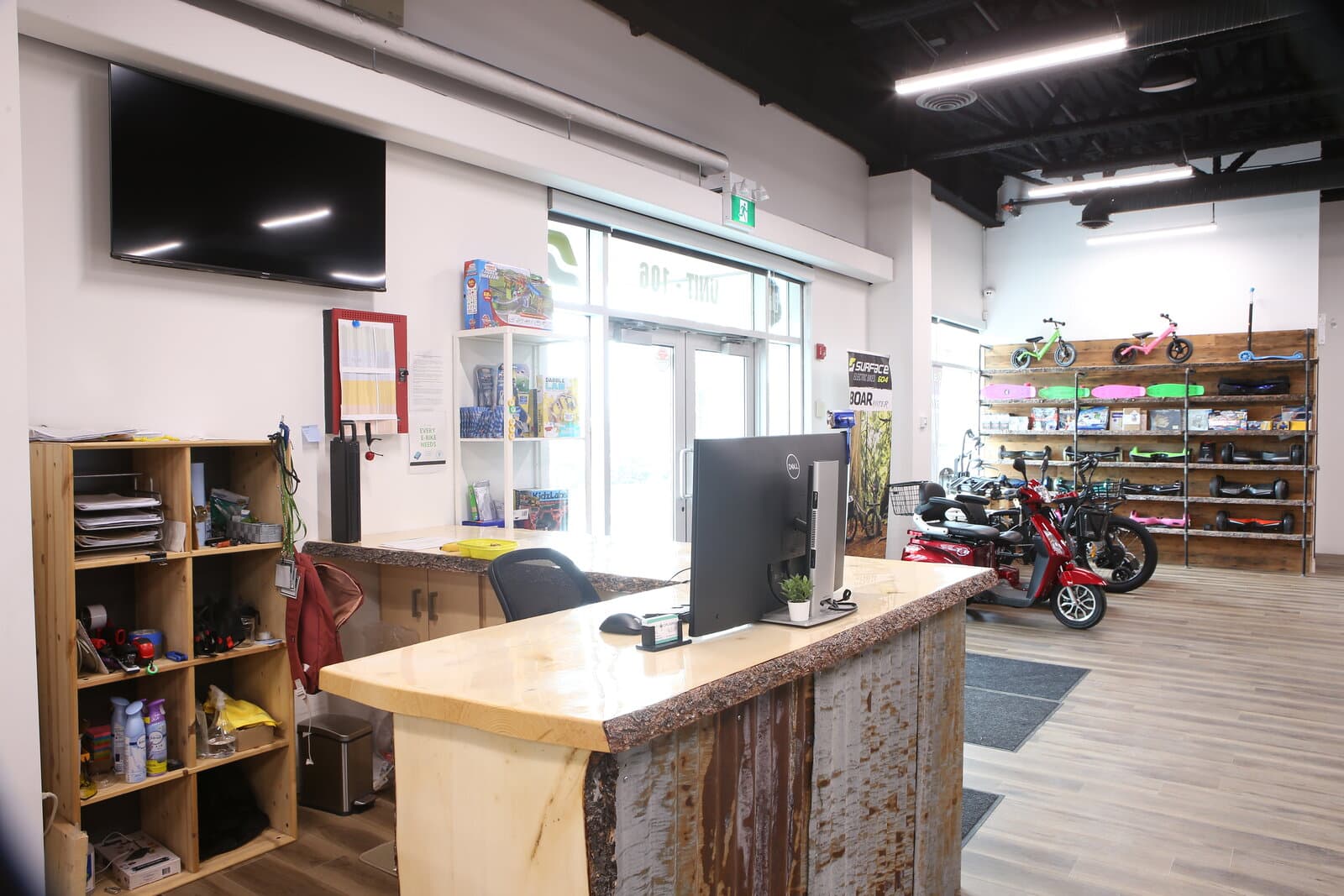
Motors
& controllers.
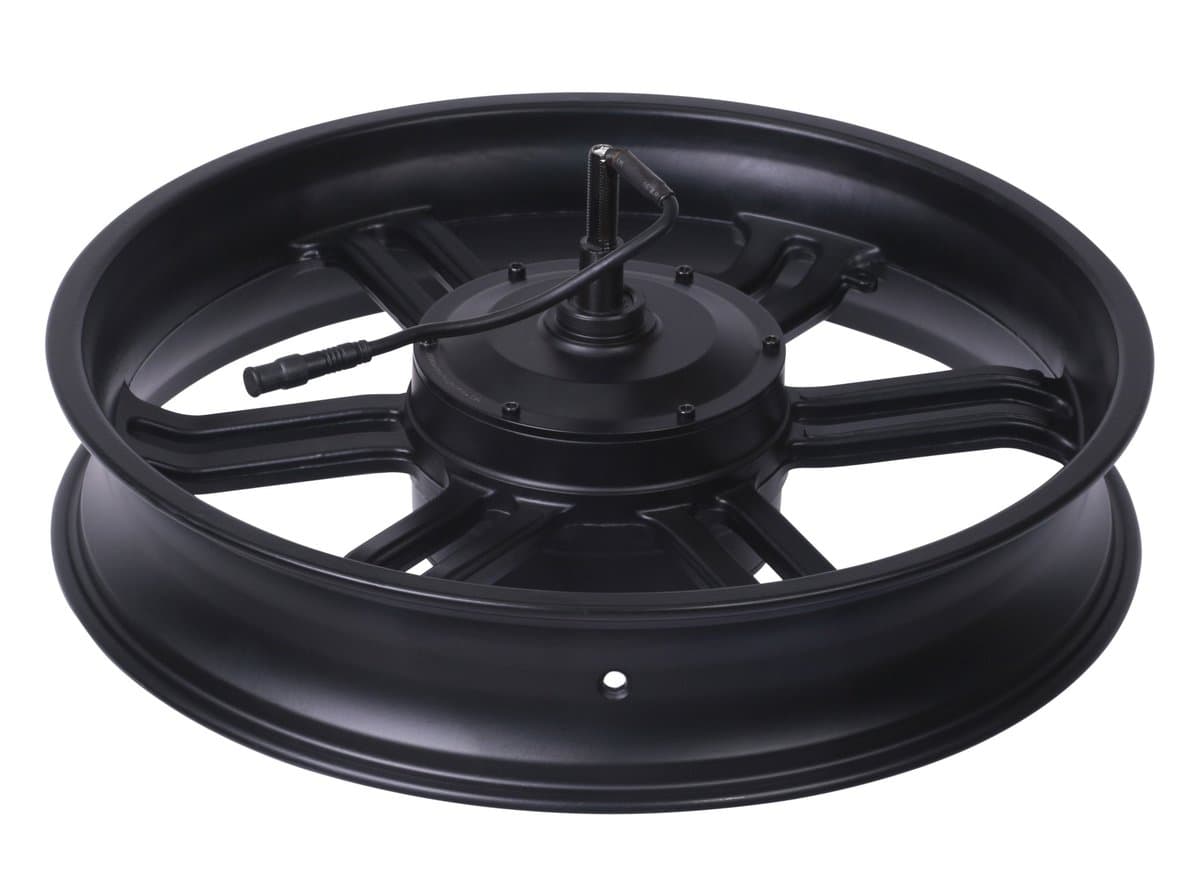
Hub motors, mid-drive motors, and motor controllers.
How to pick the right pack.
A 4-step shortlist that gets you out of the shop with the right battery. Skip steps and you'll be back in a week.
Hub or mid-drive?
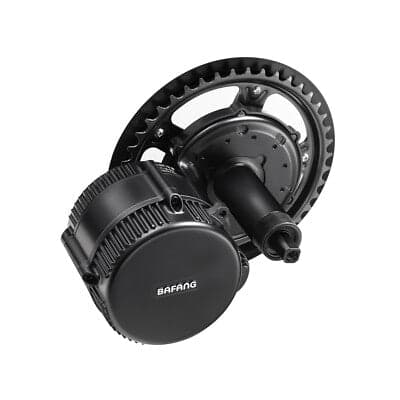
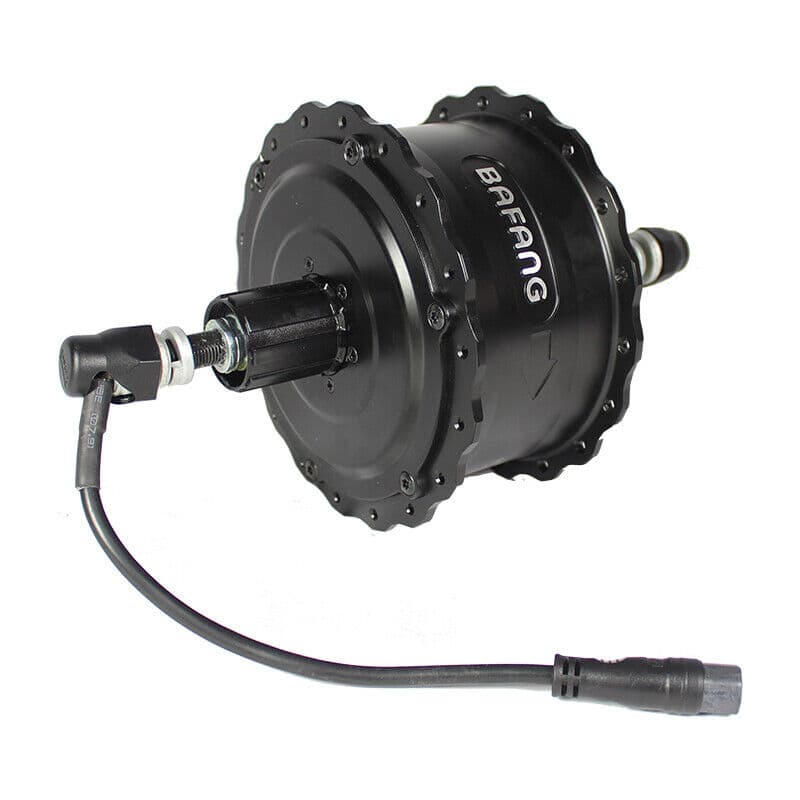
Rear-hub = simple, cheaper, cheap to repair, less torque. Mid-drive = uses your gears, climbs better, more expensive, motor lives next to the bottom bracket.
Hub vs mid-drive deep dive ↓Match the voltage.
36V or 48V — has to match your battery, controller and display. 48V is more common on modern eBikes; 36V is mostly 2018 and earlier.
Voltage chart ↓Pick controller amperage.
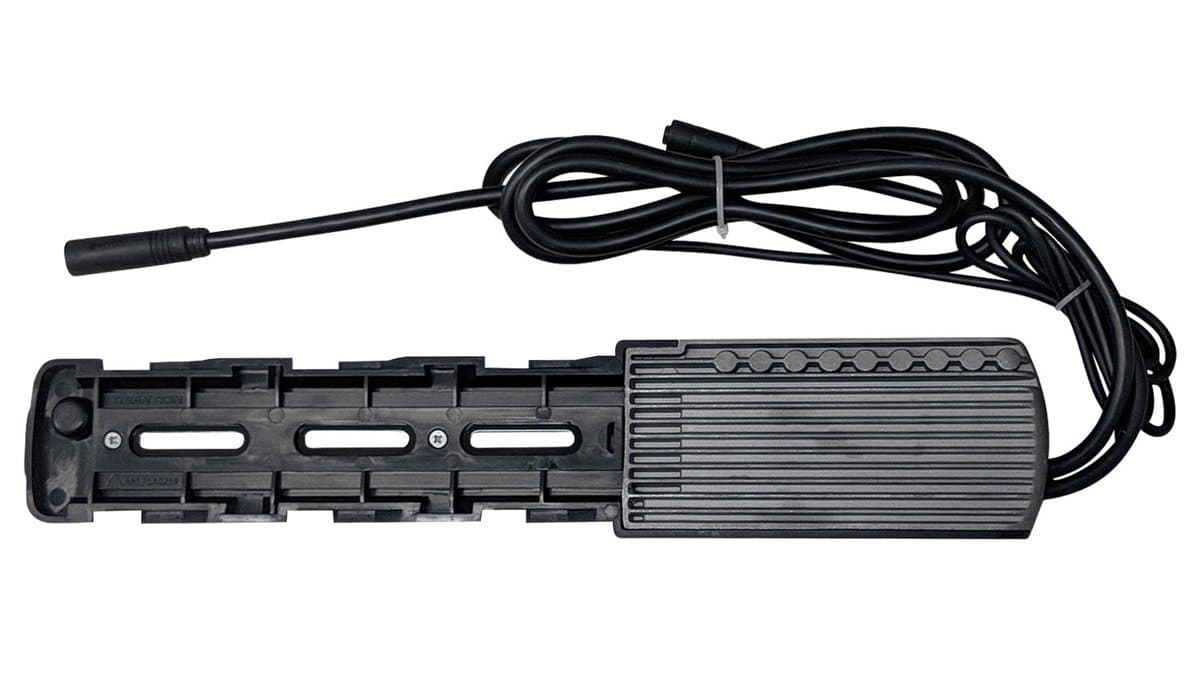
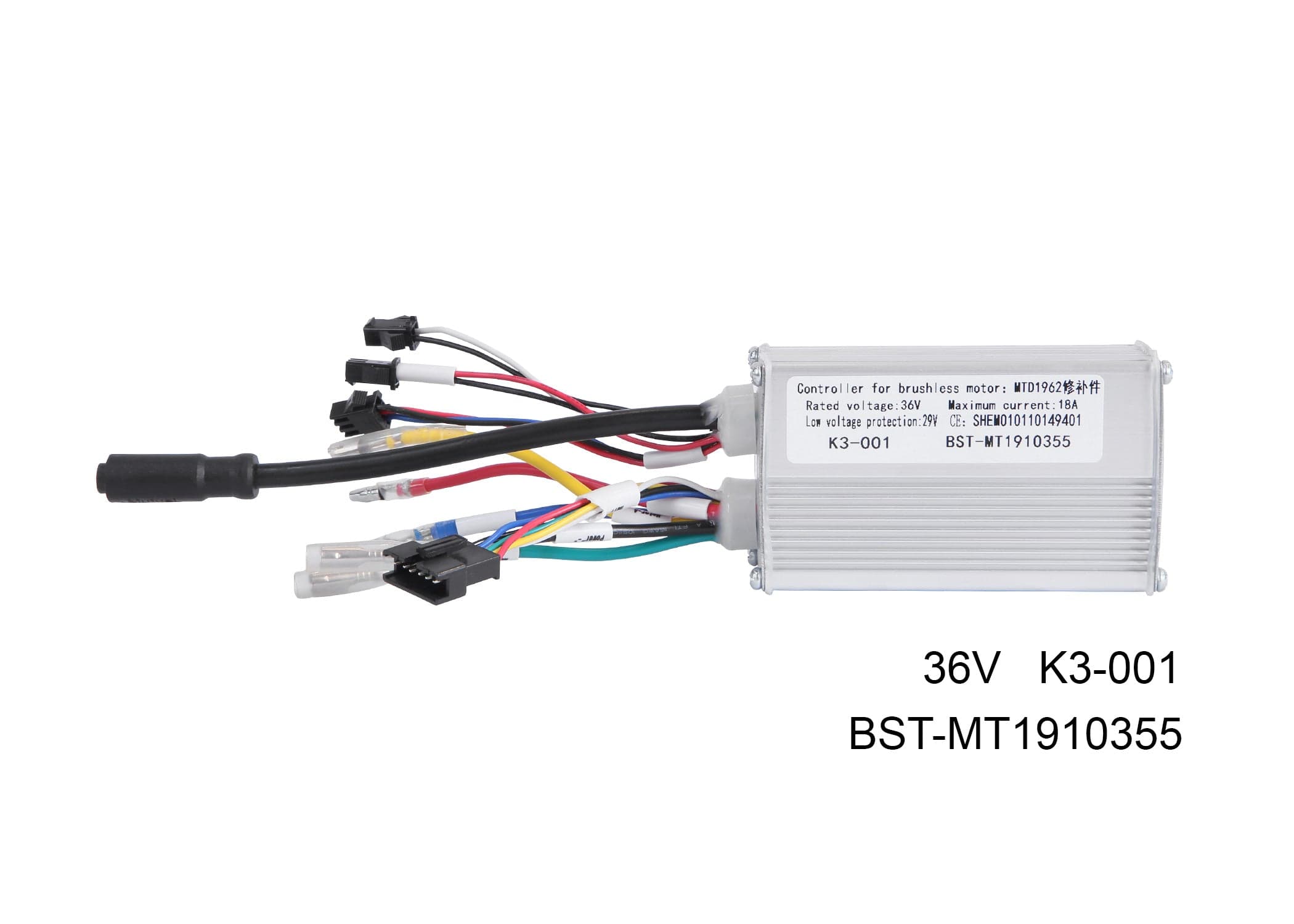
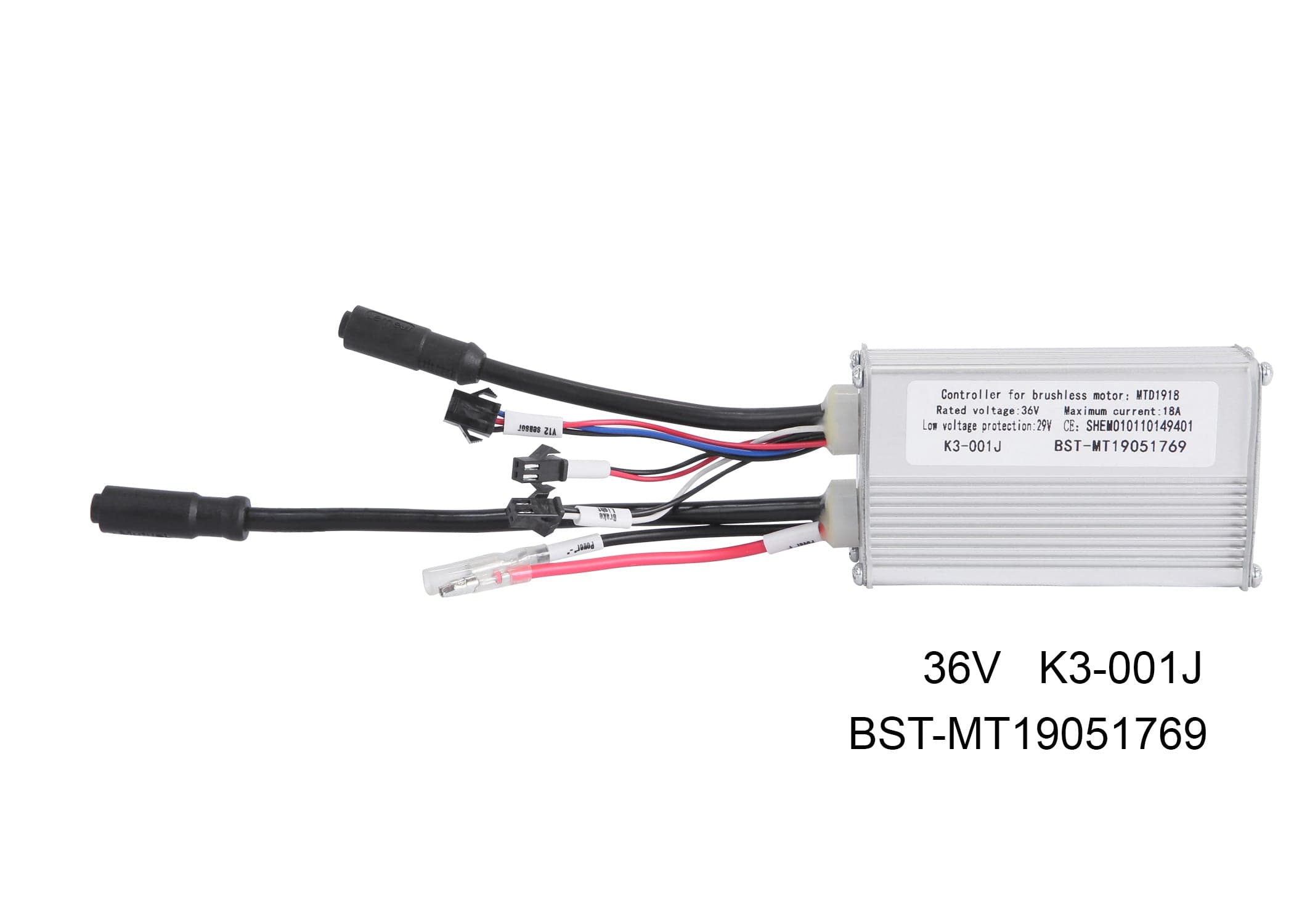
15A stock controllers run smooth and conservative. 22-25A unlocks more torque and acceleration but loads cells harder. Stay within your BMS rating.
Pair to your BMS ↓Confirm wiring + display.
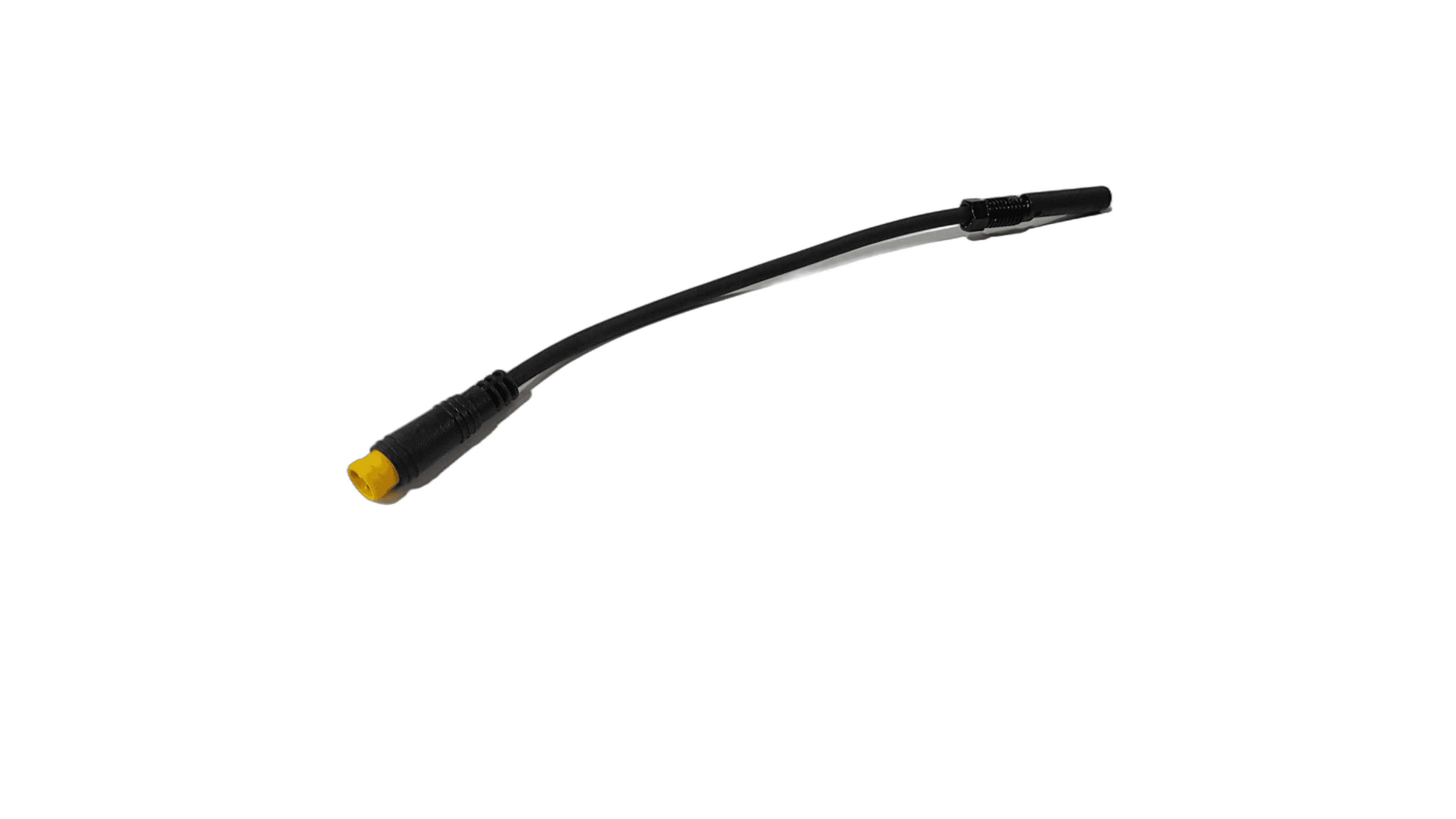
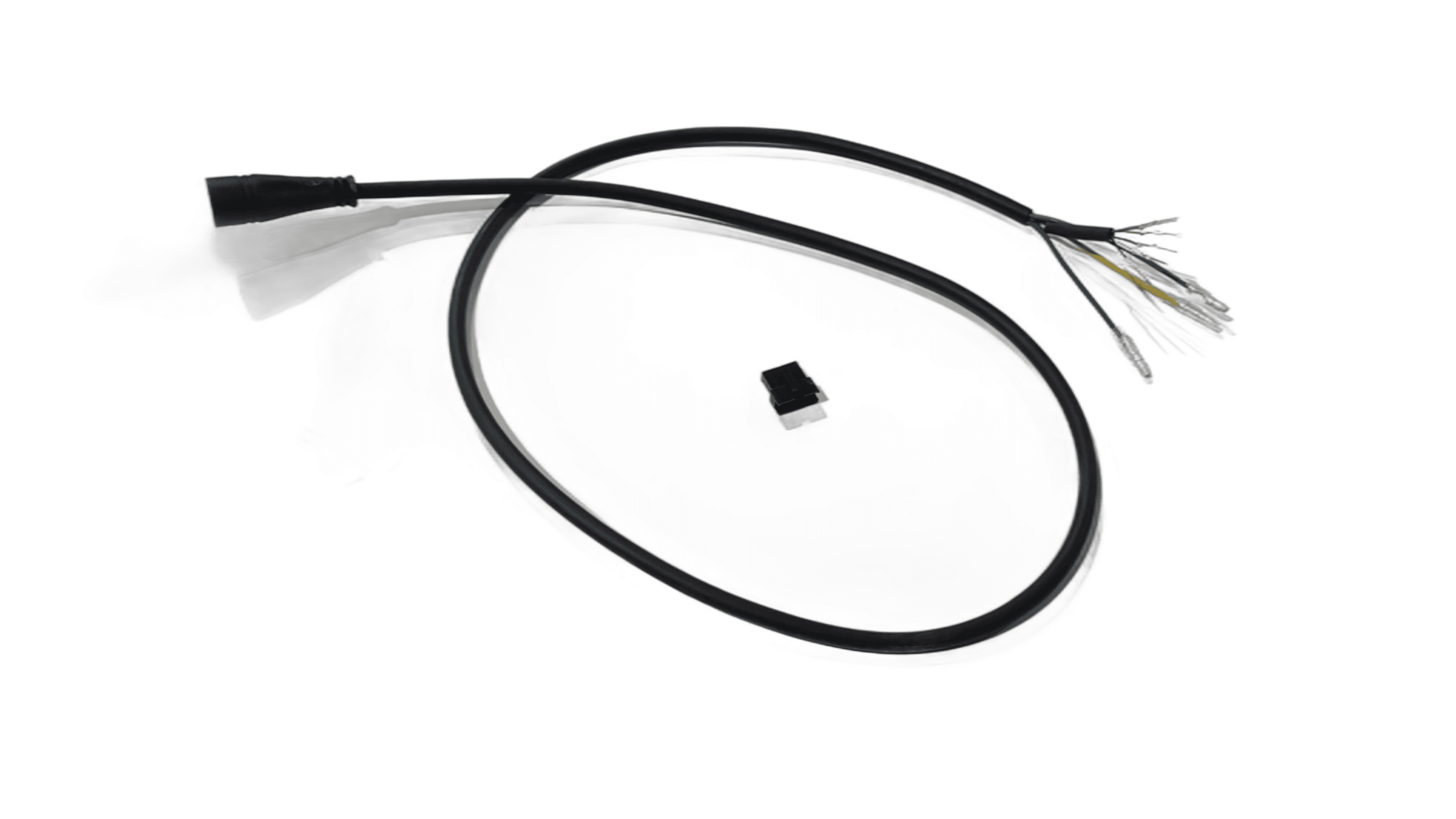
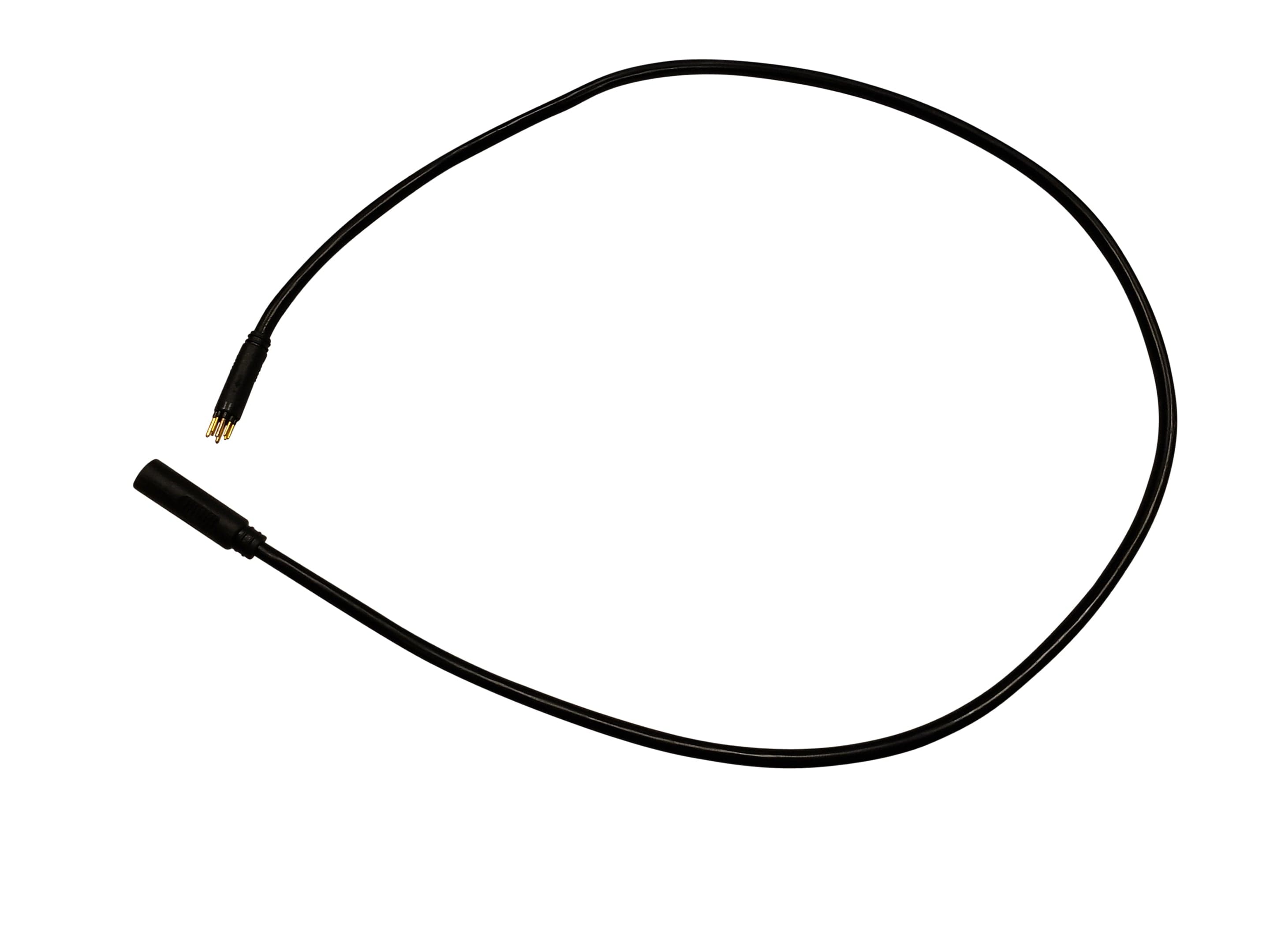
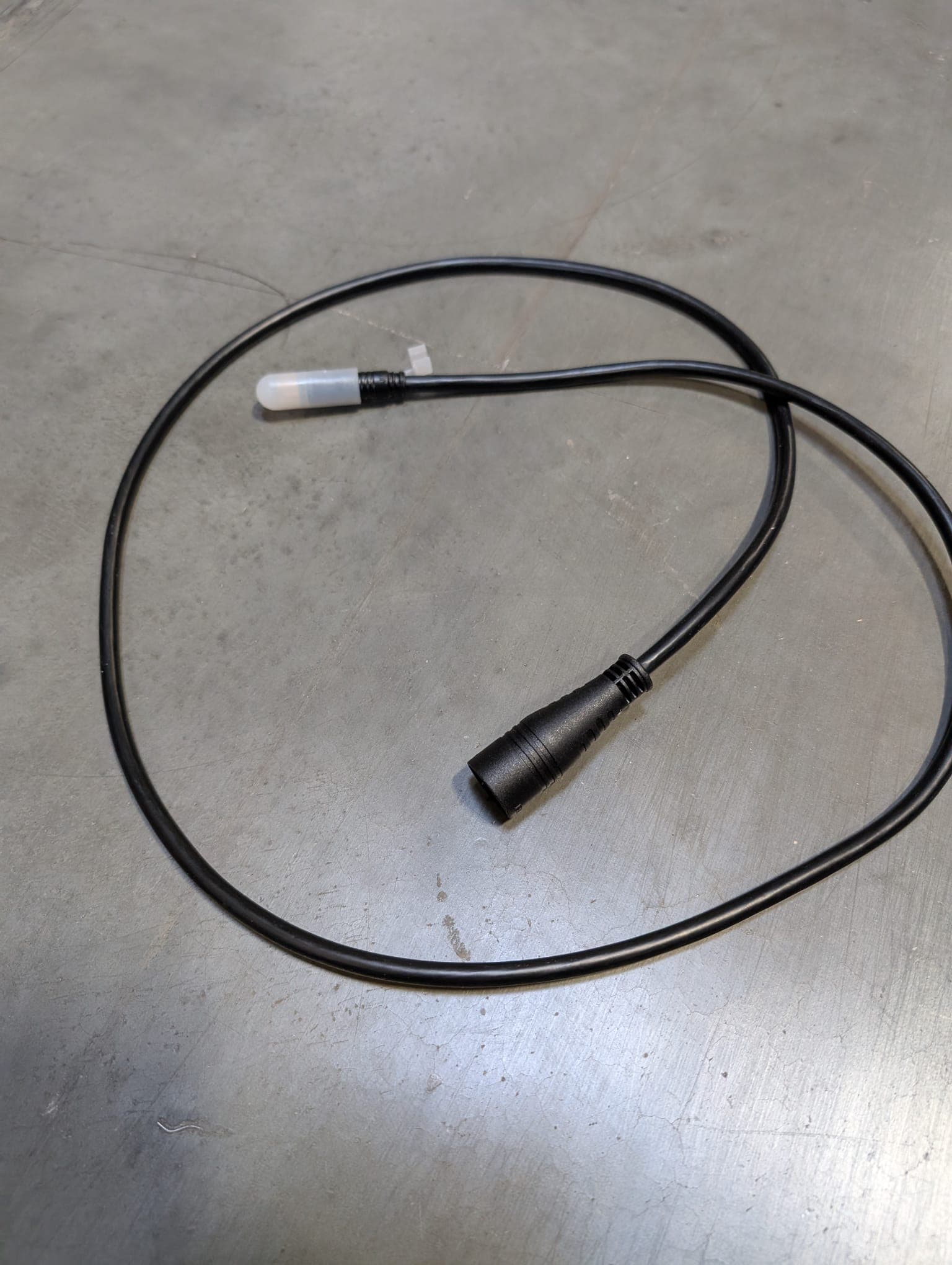
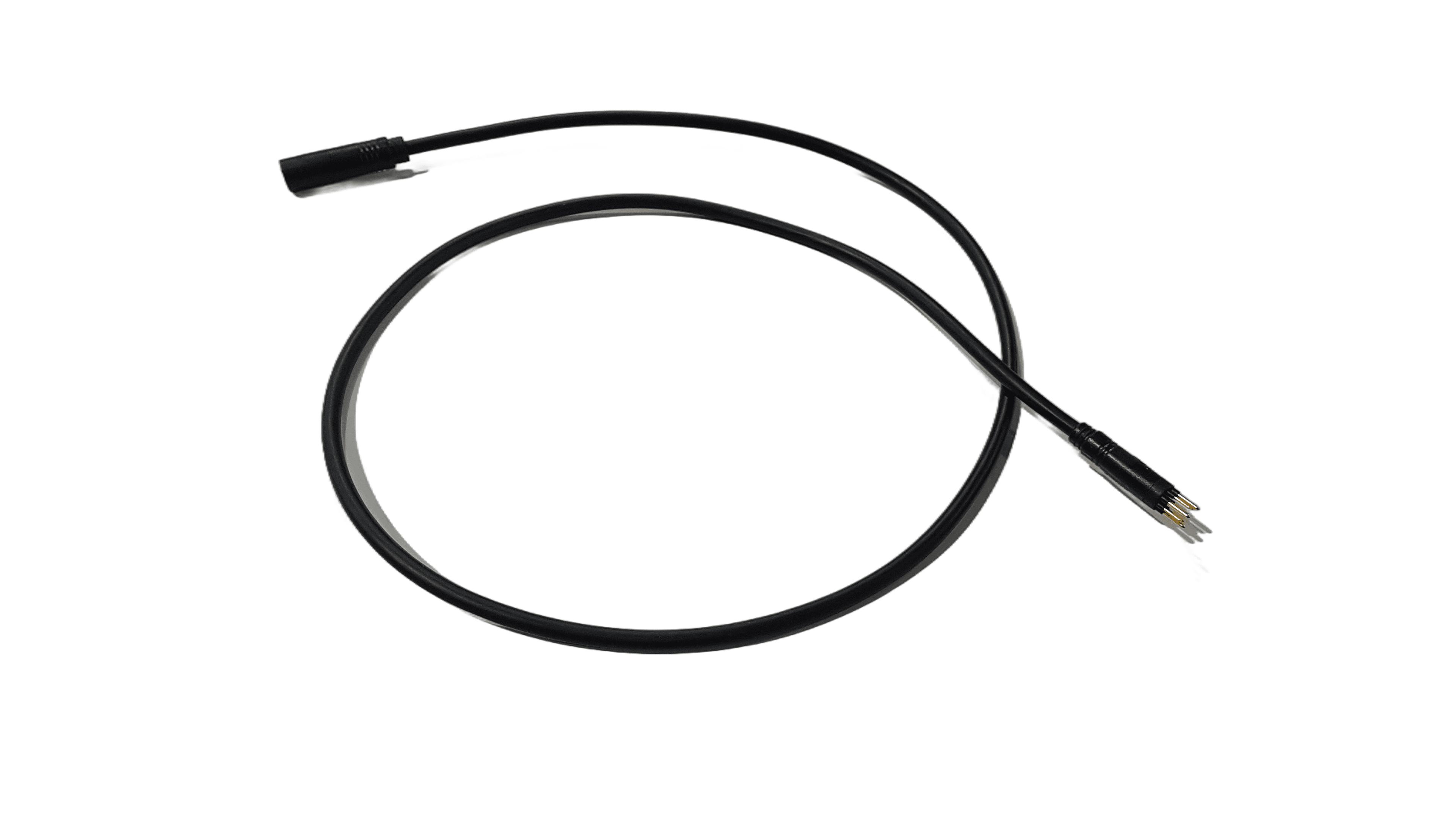
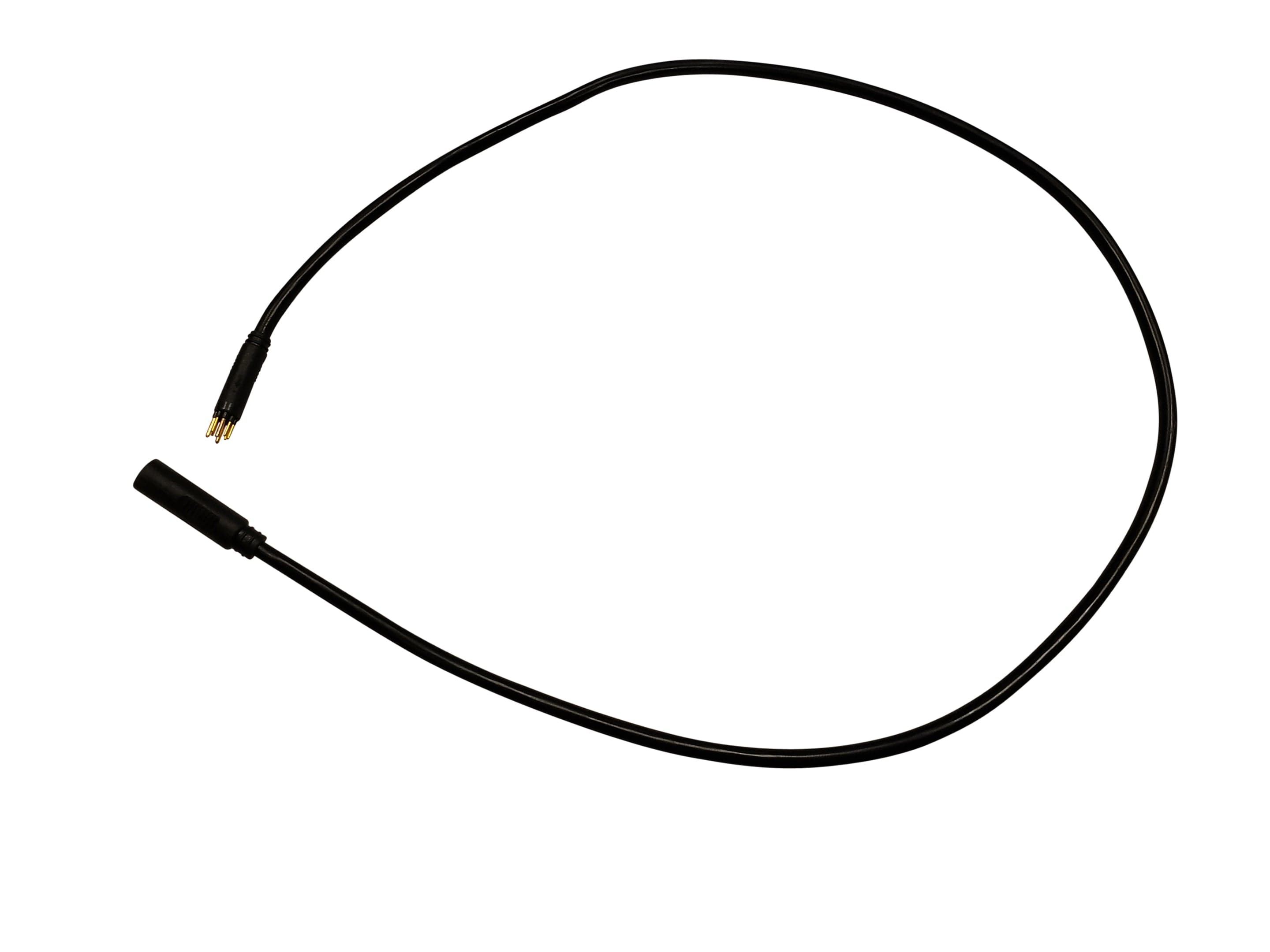
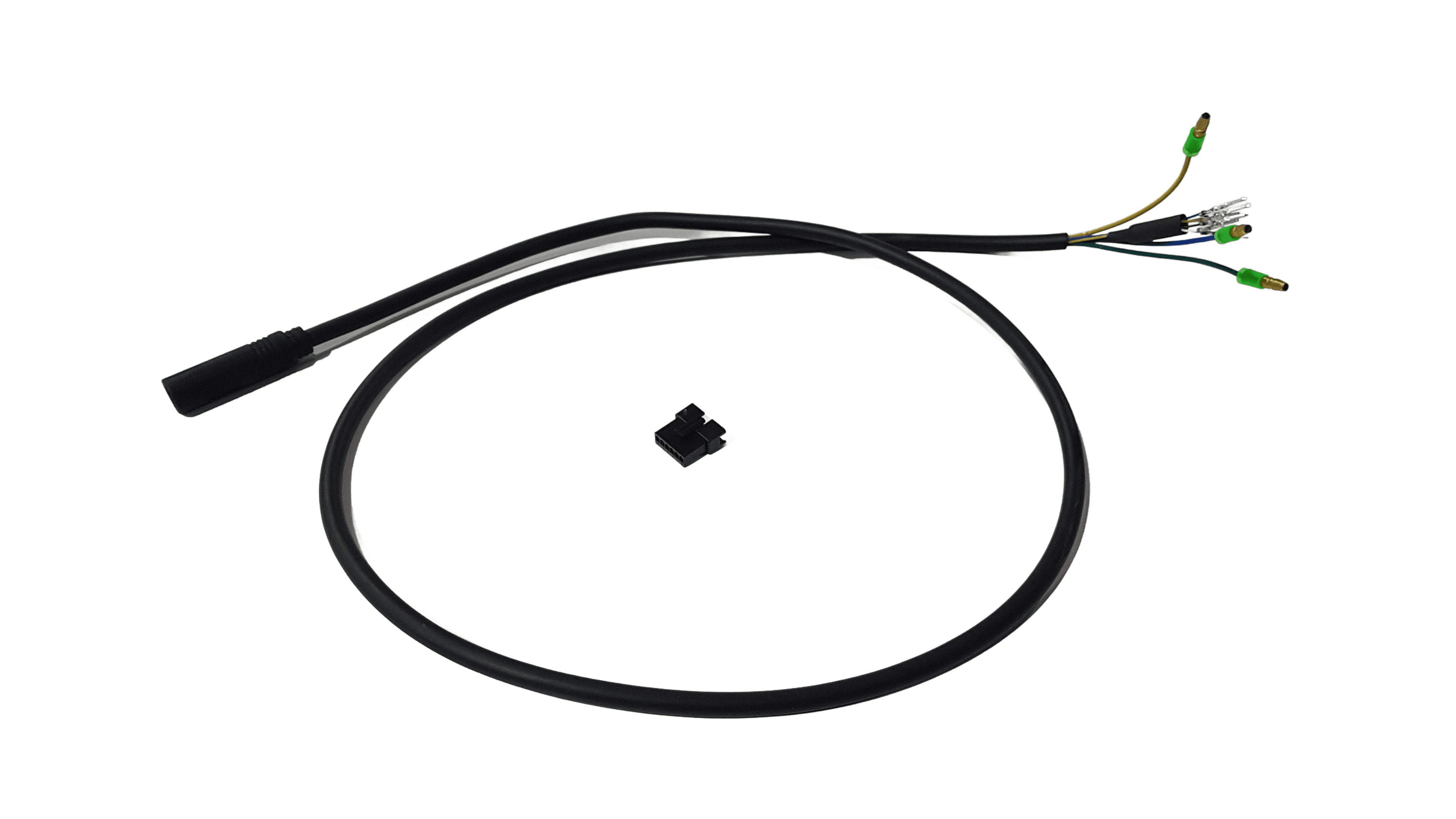
Bafang uses Higo / Julet connectors, but pin counts vary. Bring a photo of your existing motor plug — we'll match it from the catalog.
Connector reference ↓Tell us your bike — we'll show you what fits.
Motor compatibility is fussy: dropout width, axle type, brake mount, controller voltage and connector all have to line up. Pick your bike and we'll filter the catalog to only the motors and controllers we've confirmed work.
Custom build? Bring your frame in. We'll measure dropout spacing, axle, BB type and rotor mount in 10 minutes.
Everything we stock.
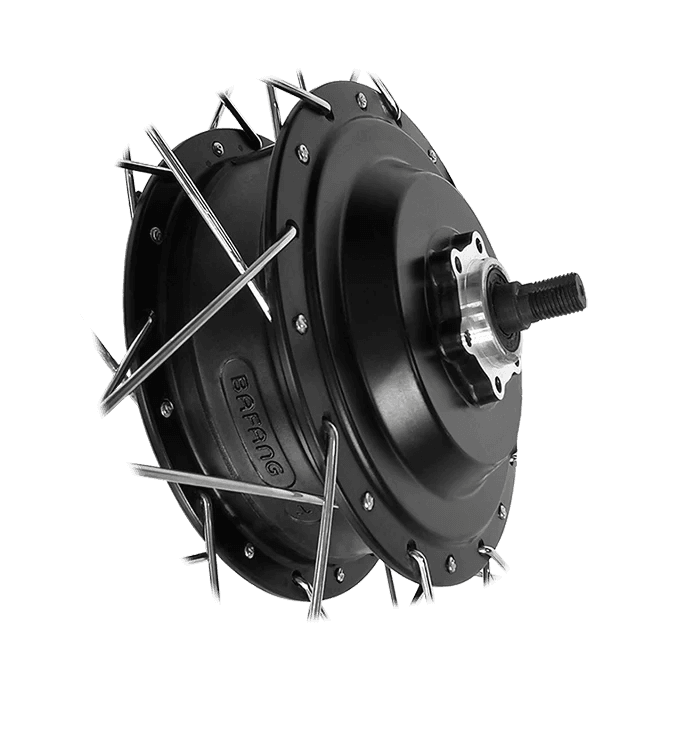
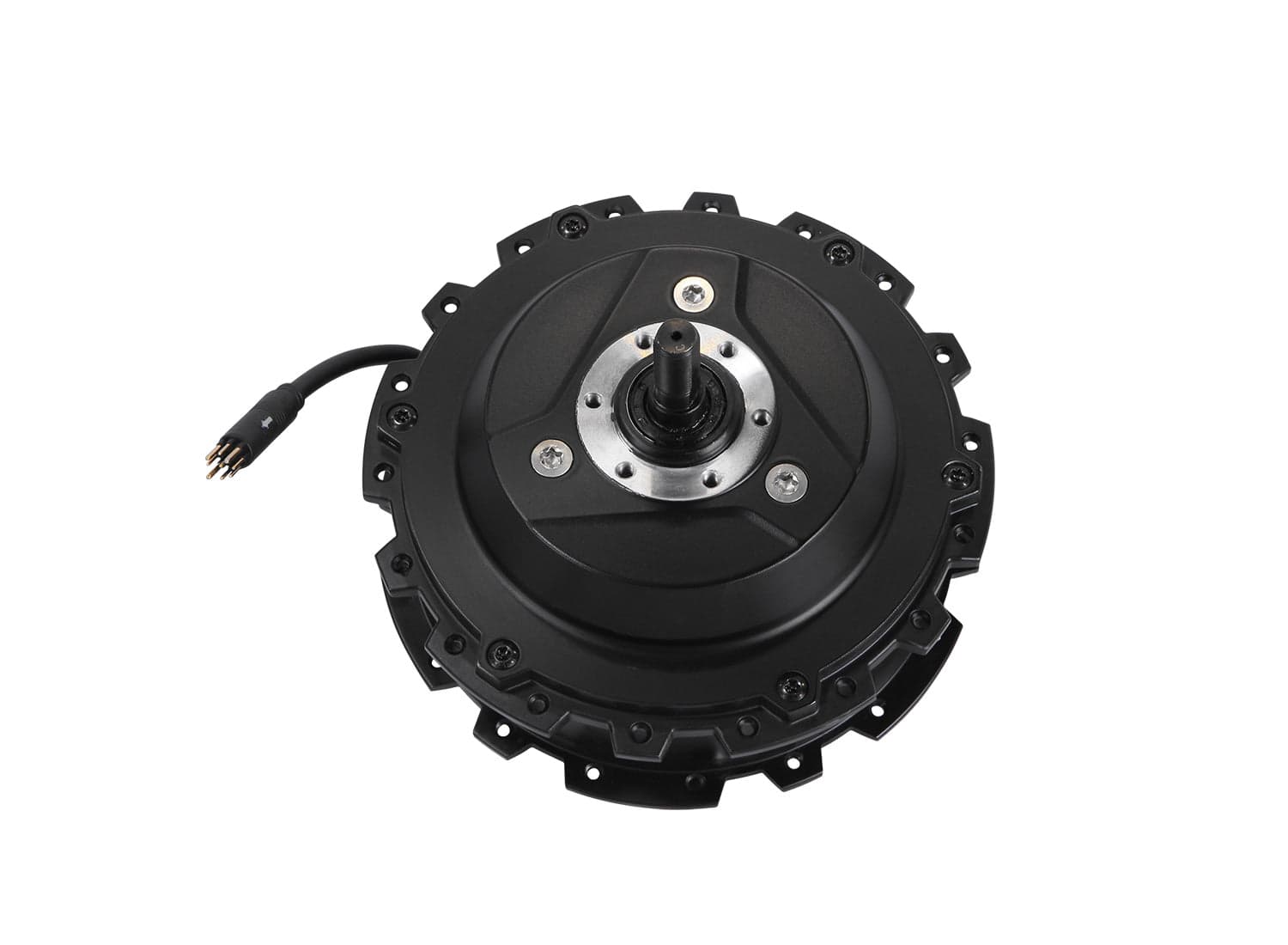
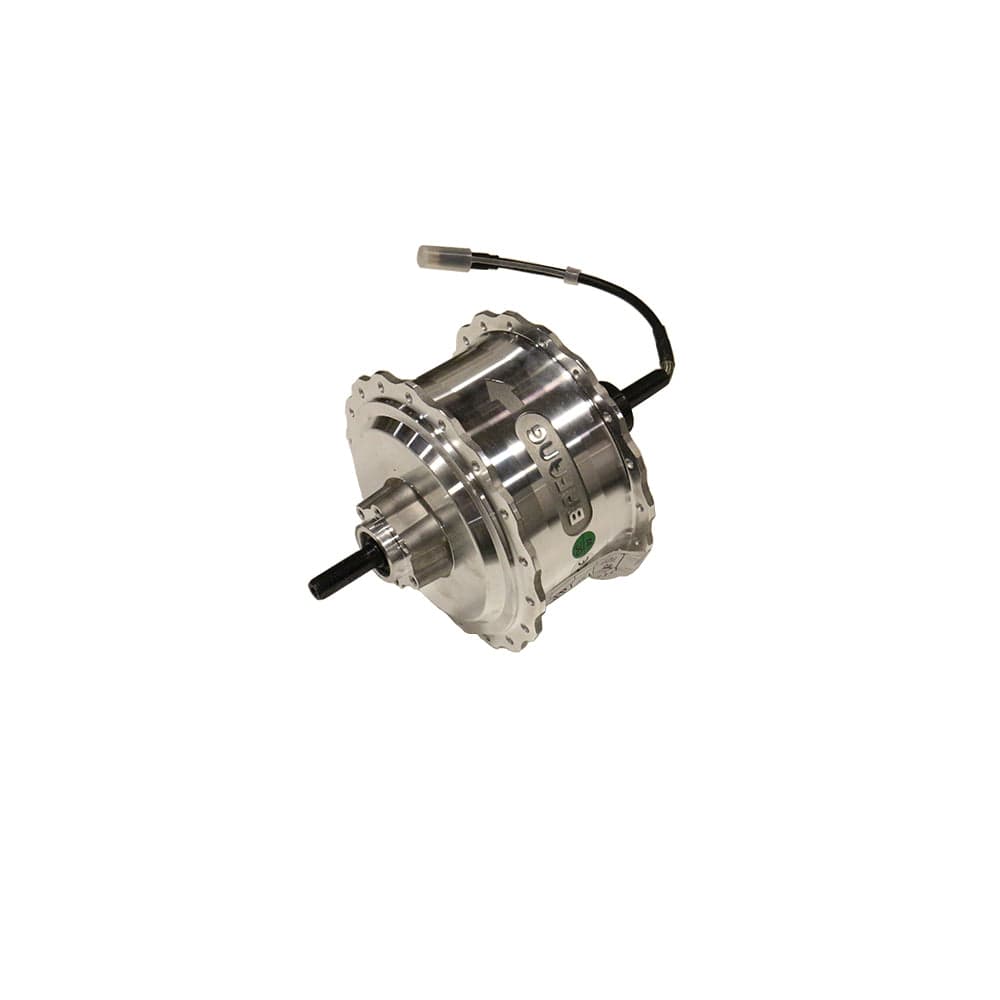
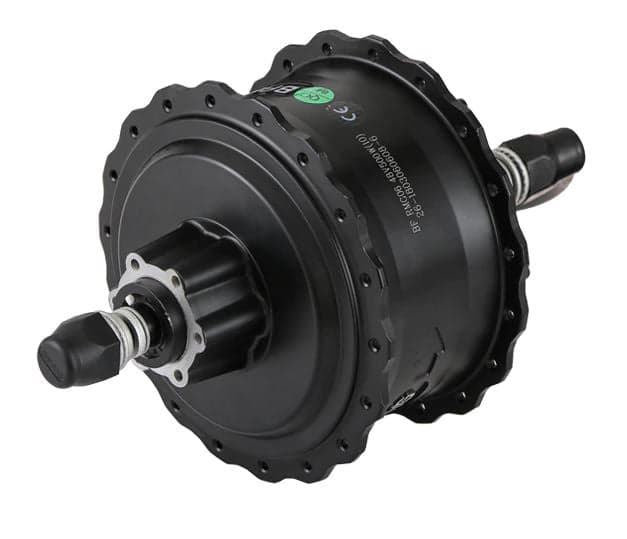
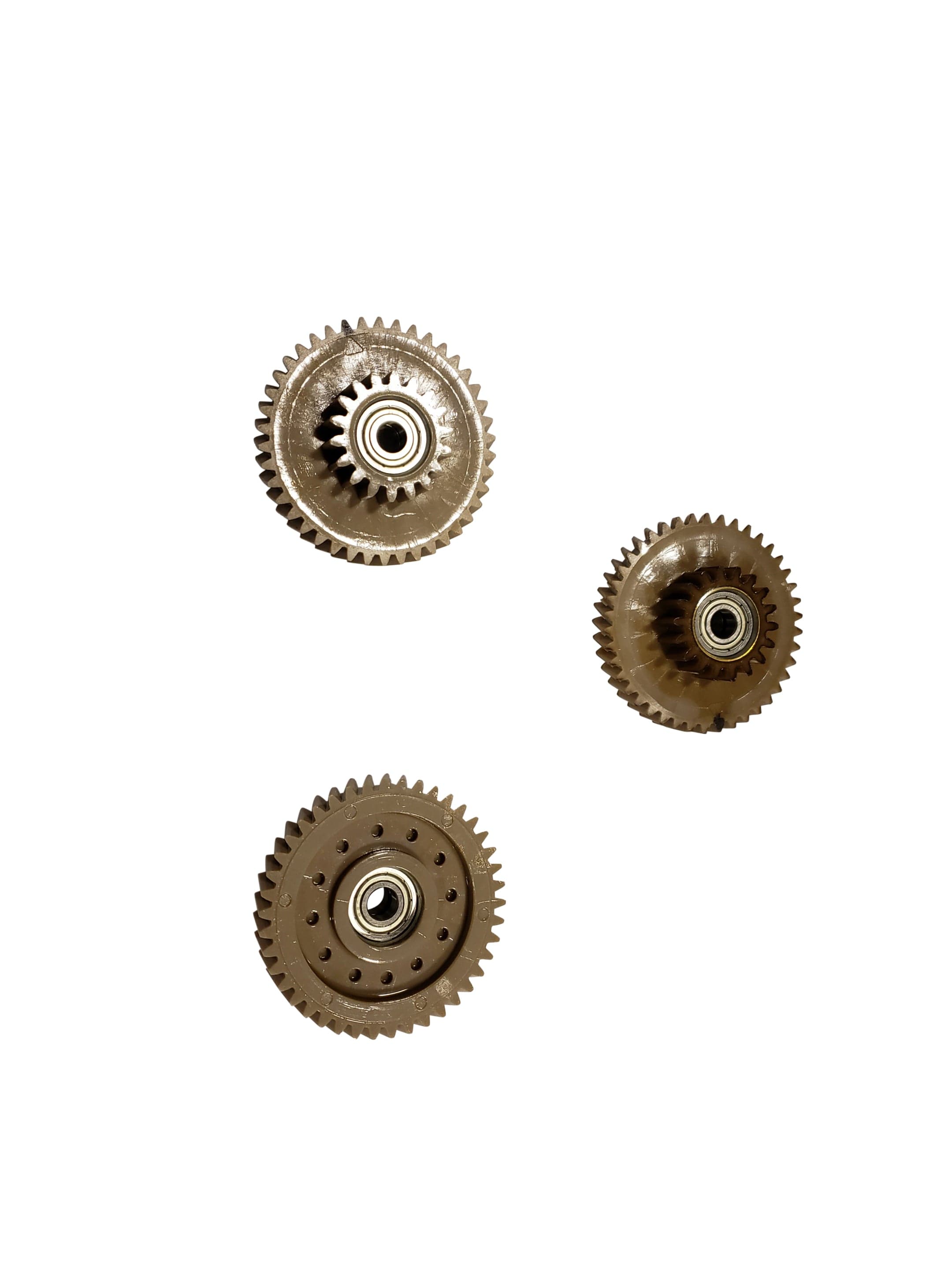
24 SKUs across the collection. Click any cell for full specs, fit notes and install booking.
What we get asked
every week.
Three years of phone calls boiled down. If your question isn't here, text us — we read every message.
- Rear-hub or mid-drive — which should I get?
- Hub-drive wins on simplicity (one motor, no chain wear, easy to silence) and price. Mid-drive wins on hills (uses your bike's gears for mechanical advantage), efficiency (uses less battery for the same speed), and weight distribution (motor sits at the bottom bracket, not the rear axle). If you're mostly on flat pavement: hub. If you climb regularly or care about gear range: mid-drive.
- Can I upgrade a 500W motor to 750W on my existing bike?
- Sometimes. The frame and dropouts have to accept the bigger motor (most modern ebikes do), the battery and controller have to support the higher amperage, and the wiring connectors have to match. Bring the bike in — we measure dropout spacing and check BMS specs for free.
- Why do controllers matter? Aren't they all the same?
- Wave shape (square vs sine) affects motor noise and torque smoothness — sine-wave is what you want. Amperage rating sets your peak torque and battery draw. Connector pinout has to match motor and display. Wrong controller = bike won't spin or runs jerky.
- Is the torque sensor a real upgrade?
- On a bike with only a cadence sensor, swapping to torque is night-and-day — power matches your pedal pressure instead of just kicking in when you start spinning. The catch is the bottom bracket has to be a compatible spindle (8 mm, square taper, etc).
- What's a 'cut-off sensor'?
- Two small magnets on your brake levers that tell the motor to stop applying power when you brake. Standard on most modern ebikes. If yours doesn't have them, $19 + 15 minutes of soldering buys you a meaningful safety upgrade.
- Can you build a custom eBike from scratch?
- Yes — we've done dozens of conversions on cargo, fat-tire and vintage frames. Bring the frame and a budget. Typical conversion runs $1,800–2,800 including motor, battery, controller, display and labor.
Rather we did it?
Free voltage and connector check before you buy. $80 install once you do — includes brake-cutoff wiring, throttle pairing, display sync and a 30-minute test ride before you take it home.
- Free connector check
- Voltage + BMS confirm
- Brake-cutoff sensor install
- Test ride included